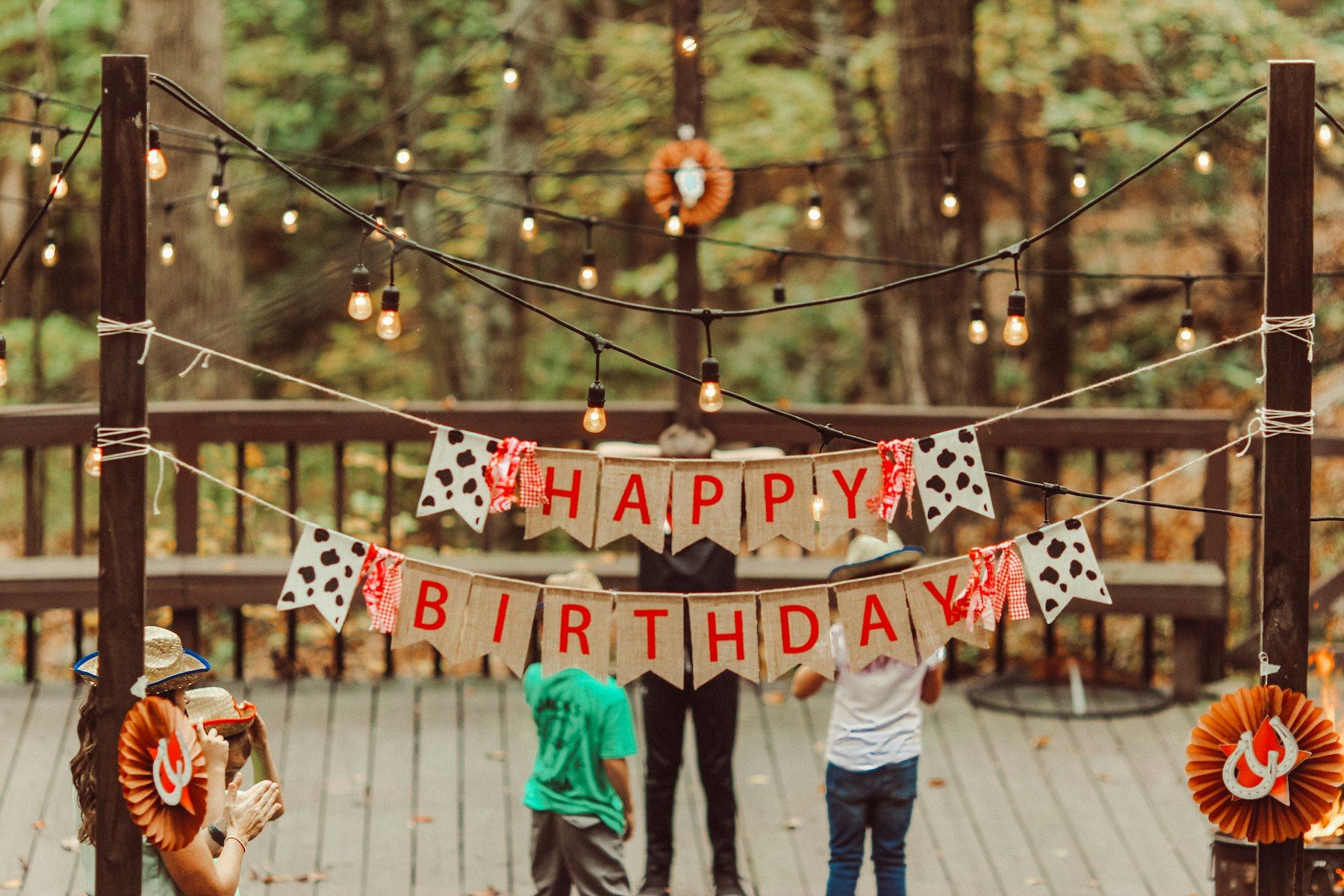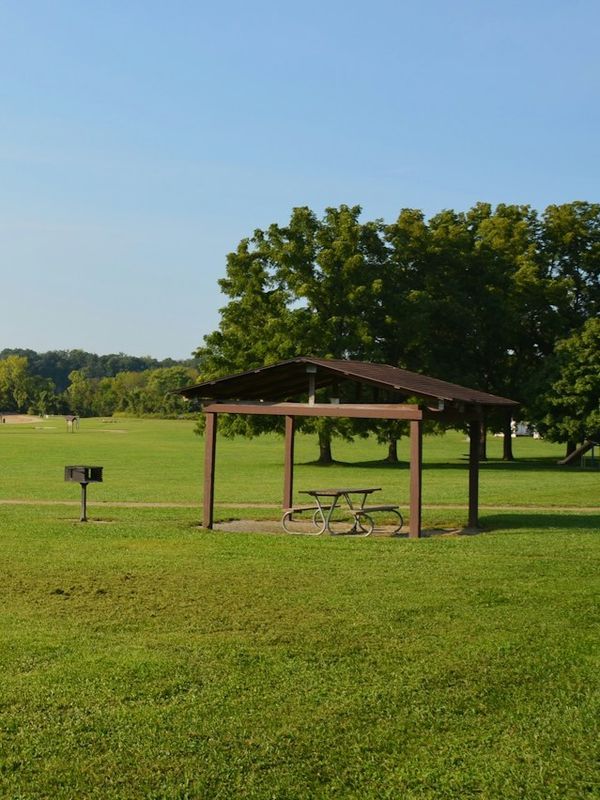
Choose your indoor Plan B on the same day you choose the yard or park, and set a deadline to make the call: 24 hours before the party, with a final check that morning. Tell guests on the invitation where the party moves if the weather turns, so a change takes one short text.
For heat, the fix is mostly timing and shade. Start before the hottest part of the day, put food and games in the shade, and plan water breaks between every activity. Festidy's free planner shows the forecast as the day gets closer and lets you send every guest an update.
Set a decision deadline, then stick to it
Hosts get stuck when they wait for a forecast that never quite decides. A deadline turns a nervous week into one simple call.
| When | What you check | What you decide |
|---|---|---|
| 3 days out | The extended forecast | Nothing yet. Line up Plan B and buy any rain-day extras. |
| 24 hours out | The hourly forecast for your party window | The main call: outside, inside or split. Text guests. |
| Party morning | Radar and the hourly forecast | Final tweaks: move cake inside, set up the canopy, add fans. |
| During the party | The sky, and your ears | Thunder means everyone goes indoors now. |
Pick your own rule for the 24-hour call and write it down, for example "a good chance of rain during the party window means we go inside." The exact number matters less than deciding once.
Pick a Plan B space that fits the headcount
Count your guests first. For 12 guests, that's 7 kids and 5 grown-ups by Festidy's usual mix; for 20, about 12 kids and 8 adults. Then match the space to the crowd.
| Plan B space | Works best for | Watch out for |
|---|---|---|
| Living room plus kitchen | Up to about 12 guests | Move breakables and the coffee table before guests arrive |
| Garage, swept and cleared | Active games, messy crafts | Cars out, tools and chemicals locked away, a fan or two |
| Covered patio or porch | Light rain only | Not shelter from lightning (see below) |
| Basement or playroom | Toddler parties, movie or craft time | One staircase means a grown-up at the top |
| Clubhouse or community room | 20 or more guests | Book it when you book the park, not the night before |
If you're hosting at a park, check whether your city lets you reserve a room or covered space, and whether a backup date is allowed. The guide to hosting a birthday party at home covers clearing rooms and setting up zones in more detail.
Swap the outdoor games for indoor ones
Keep the same 2-hour run of show: arrivals and free play at 0:00, the main game at 0:30, snacks at 1:00, cake at 1:20, craft and favors at 1:35, done at 2:00. Only the games change.
| Outdoor game | Indoor swap | Time |
|---|---|---|
| Sharks and minnows or tag | Freeze dance, where nobody is out | 10 minutes |
| Relay races on grass | Beanbag-on-the-head relay down a hallway | 15 minutes |
| Yard treasure hunt | Five clues hidden in five rooms | 20 minutes |
| Obstacle course on the lawn | Couch-cushion course: crawl under a table, hop over pillows | 15 minutes |
| Sand dig or water table | Sand tub on a tarp in the garage, or a bead or craft table | 15 minutes |
| Bubbles and sidewalk chalk | Glow stick hunt with the lights dimmed | 15 minutes |
Indoor games run faster because kids can't spread out, so plan one extra 10-minute game you can pull out if the schedule runs short. The games by age guide has more no-elimination options.
Tents and canopies: what they do and don't do
A pop-up canopy is a good buy for sun and light rain. A 10 by 10 foot canopy covers the food table and a few chairs, not a whole party. If you rent a bigger tent, book it with the rest of your rentals, which sits in the Splurge level (about $50 per guest) of Festidy's budget.
Stake or weight every leg. A gust can lift an unweighted canopy, and kids love to swing on the poles.
Rain is one thing. Thunder is another. The National Weather Service's rule is simple: when thunder roars, go indoors (NWS). A tent offers no protection from lightning, and neither does an open picnic shelter (NWS). Safe shelter means a substantial building or a hard-topped vehicle with the windows up, and you wait at least 30 minutes after the last thunder before heading back out (NWS). If storms are likely all afternoon, take the party inside for good instead of running back and forth.
A heat plan for kids
Kids often won't stop to drink or rest when they're having fun. Young children especially may not remember water or shade breaks, so the grown-ups have to build them in (AAP, HealthyChildren.org).
- Move the start time. The AAP suggests keeping little ones in the shade during peak UV hours, roughly 10 a.m. to 3 p.m. (AAP, HealthyChildren.org). A 9 a.m. or 4 p.m. start dodges most of it.
- Shade first. Put the food table, the craft table and the parents' chairs in shade. Run active games in the shade too, or swap them for water play.
- Water between every game. Set a big dispenser at kid height and call a drink break at each change in the run of show.
- Buy more ice. Festidy plans about 2 lb per guest, so 24 lb for a 12-guest party; on a hot day, double it to about 48 lb.
- Shorten it. On a very hot day, cut to 90 minutes and drop the most active game.
- Ask for light clothes. Add "light, loose clothes and a hat" to the invitation. The AAP recommends light-colored, loose, breathable clothing for hot weather (AAP, HealthyChildren.org).
Know the warning signs. They include muscle cramps, dizziness, headache, nausea or vomiting, heavy sweating or cold, clammy skin, and confusion (AAP, HealthyChildren.org). A child who shows any of them should stop playing and rest somewhere cool, and their parent should be told right away. Heat stroke is a medical emergency: call 911. If the National Weather Service issues a heat advisory or an extreme heat warning for your area, move the party indoors (NWS).
Keep the cake inside until candles at 1:20. Buttercream slumps fast in the sun, and so do the guests.
Tell guests early and once
Put the backup plan on the invitation so nobody is surprised. Wording that works:
Invitation line: "Rain or shine! If the weather turns, we'll move inside at the same address. We'll text by noon the day before."
Then keep your promise. At your 24-hour deadline, send one message to every family with three facts: where, what time, and what to wear. If you change the location, include the new address in full. Ask helpers to watch the door and point latecomers to the new spot.
If you moved the party, the invitation and RSVP etiquette guide has tips for handling late replies and no-shows.
Pack a rain-day kit
Set these aside the night before, so switching takes 20 minutes, not an hour.
- Old towels for wet shoes and wet kids, about one per 3 guests
- A bin or tarp by the door for shoes and umbrellas
- Painter's tape to mark game lines and a "no kids" door
- Two extra trash bags and a roll of paper towels
- A speaker and a playlist for freeze dance
- Glow sticks, about 5 per kid, for an indoor hunt
- A folding table for food so it doesn't take over the kitchen counter
When to postpone instead
Sometimes inside isn't enough. Postpone if storms are expected through your whole window, if roads are flooded, or if extreme heat is forecast and your indoor space can't hold everyone. Pick a rain date when you plan, and mention it on the invitation if your venue needs one.
Your party plan keeps the dated steps and the guest list in one place, so moving the date shifts the rest of the plan with it.
FAQ
How far ahead should I decide to move a party indoors?
Make the main call 24 hours before, when hourly forecasts are more reliable, and text guests then. Do a final check the morning of for small changes like moving cake inside.
Can kids stay under a canopy or pavilion during a thunderstorm?
No. The National Weather Service says tents and open picnic shelters don't protect from lightning, so move everyone into a building or a hard-topped car. Wait at least 30 minutes after the last thunder before going back out.
What's the best start time for a summer party outdoors?
Early morning or late afternoon, outside the roughly 10 a.m. to 3 p.m. window the AAP flags for peak UV. A 9 a.m. or 4 p.m. start, with shade and water breaks, works for most summer parties.